
We are glad that you are interested in writing a master’s thesis in communication studies!
At the Chair of Communication Science , we offer master’s thesis topics on a variety of subjects, either as empirical studies or meta-analyses. All theses follow the process outlined below.
Before you apply for a master’s thesis, please read the instructions for each step carefully.
Requirements for Writing a Master’s Thesis
Please note that, in order to write a master’s thesis at the Chair of Communication Science, you must have successfully completed at least one course (lecture, seminar) in the field of communication studies.
Courses from the current semester are also accepted.
Application
You can suggest topics within the fields of communication science or media psychology at any time. Please submit your proposals in writing, including a brief abstract (500 words). In your abstract, please explain the following points: topic area and relevance, research question, theoretical background, and methodology of the planned study. The master’s thesis is completed in close collaboration with the supervising faculty member.
Under “Initial Contact,” you will find a list of potential supervisors and their respective research focuses. You are welcome to use this list as a guide when selecting a topic.
Of course, you can also approach us during courses to discuss potential supervision for your master’s thesis. Master’s thesis topics often emerge from one of our seminars (e.g., the socio-economic Research Project, Communication in the Digital Workplace, or Digital Behavioral Data).
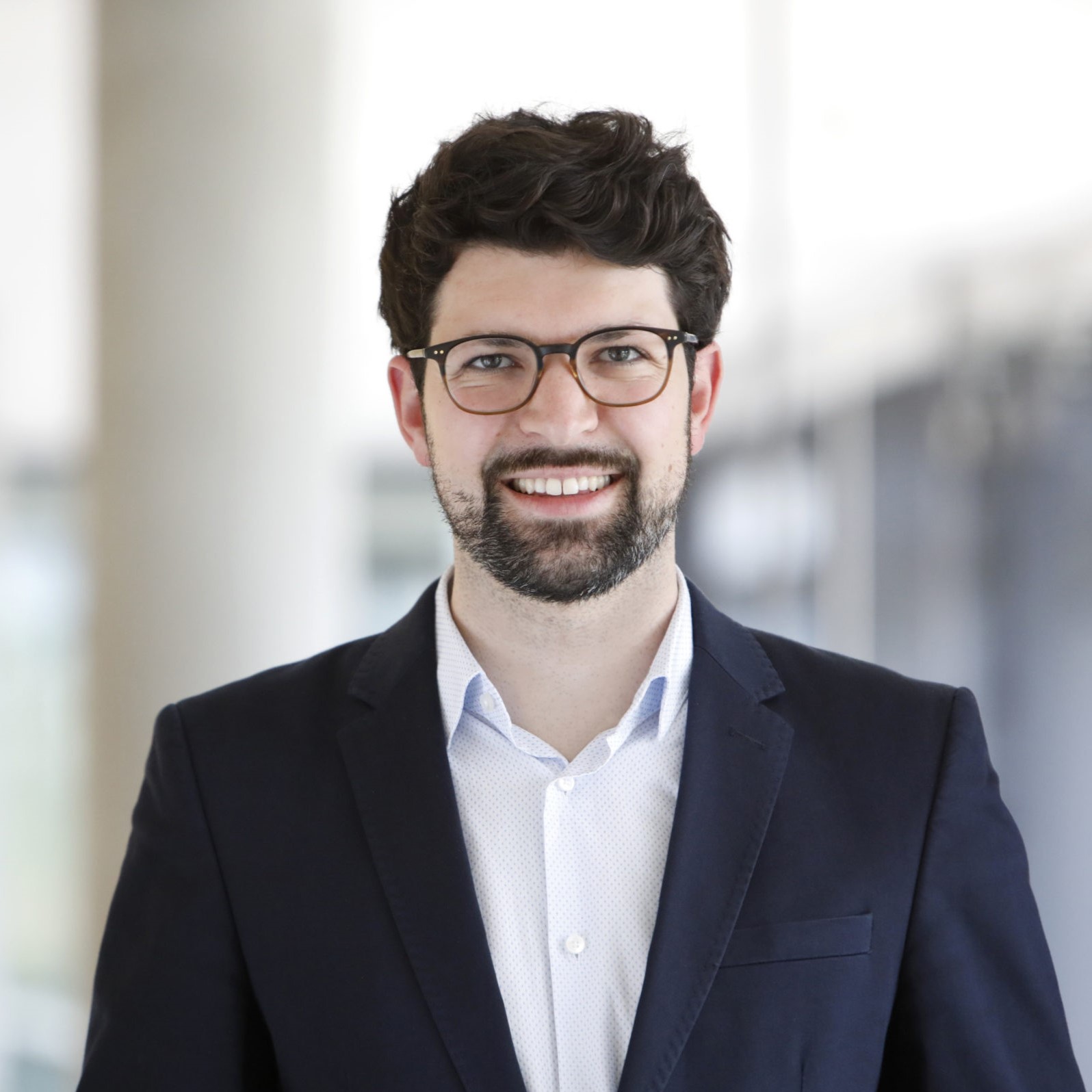
Prof. Dr. Adrian Meier
Contact
Research Focus:
- Media Effects
- Media Psychology
- Interpersonal and Organizational Communication
- Human-AI Interaction

Julius Klingelhöfer
Contact
Research Focus:
- Digital Well-being
- Digital Disconnection
- Self-regulation
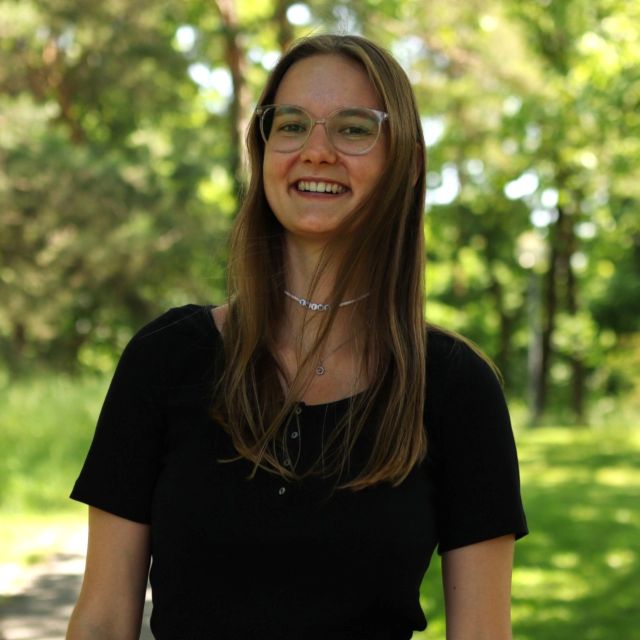
Annika Wilfert (M. A.)
Contact
Research Focus:
- Health Communication
- Digital Information-Seeking Behavior
- Human-AI Interaction
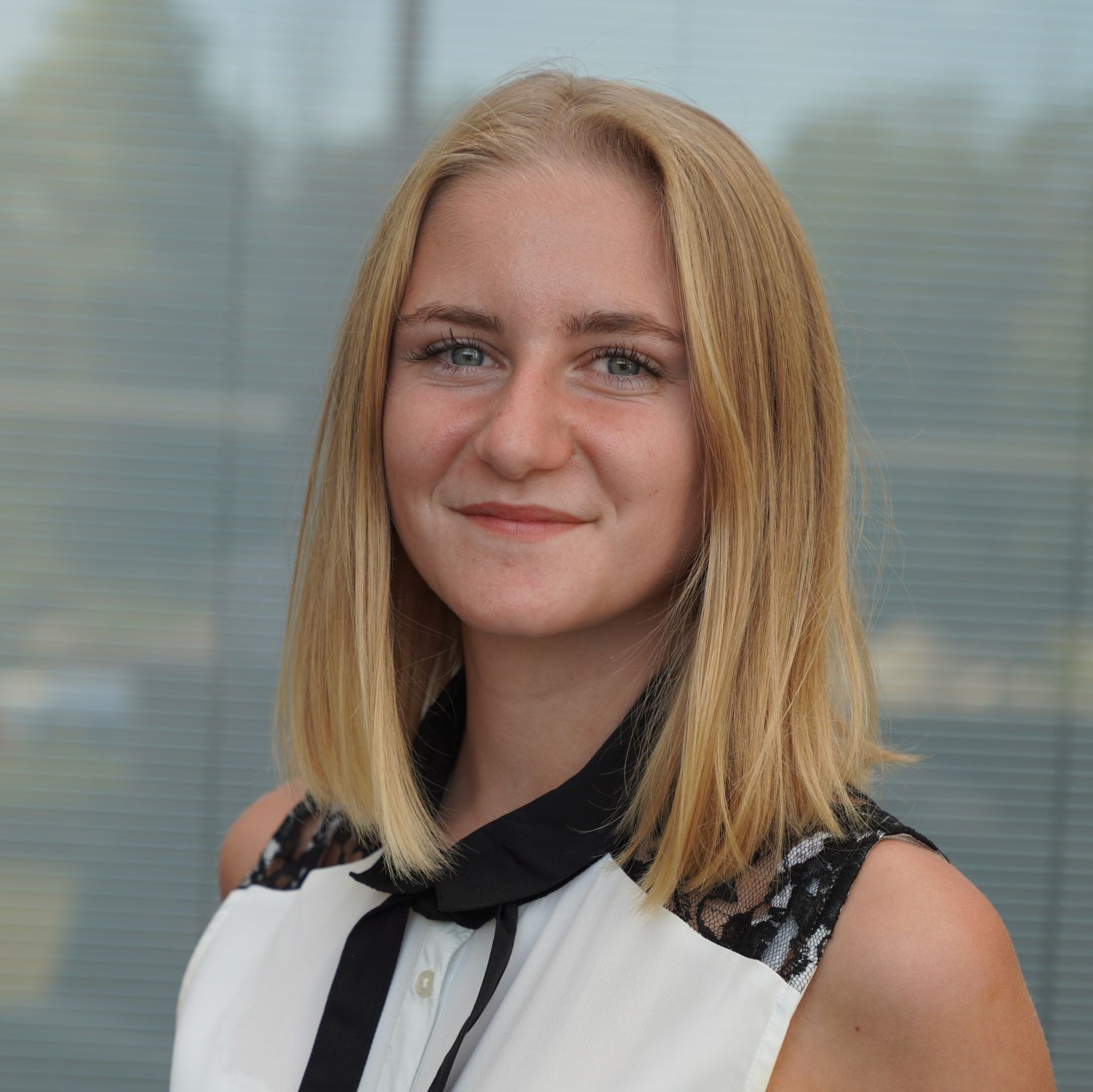
Eva Ziegltrum (M.A.)
Contact
Research Focus:
- Person-Specific Media Effects
- Social Media Regulation
- Safe Spaces Online
A master’s thesis should be 16,000–18,000 words (approx. 60 pages) in length (APA 7 style). Upon consultation, a shorter version in “paper format” is also possible (in English only). You can find our guide with tips on academic writing here.
Planning
Following the initial preliminary meeting, you will be asked to draft a project proposal on the agreed-upon topic. The purpose of the proposal is to ensure that there is a shared understanding of the topic and the planned study. In the proposal, you should briefly explain in writing the scope and relevance of the topic, the derivation of the overarching research question, key terms, concepts, theories, and models of the planned study, as well as which method(s) will be used to answer the overarching research question. The document should be 3–4 pages in total and include the following:
- Cover page including first and last name, student ID number, degree program, semester, and contact information (please follow the template in the guidelines)
- Working title: Title for the thesis, based on the content of the exposé.
- Introduction: (1) Introduction to the topic and description of the initial situation, (2) justification of the relevance, (3) identification of a research gap or area of interest and derivation of exactly one overarching, research-guiding question
- Theory: Brief presentation of the chosen theoretical and conceptual framework (e.g., key concepts, models, theories) for addressing the research question
- State of research: Brief summary of the most important existing empirical findings related to the research question
- Summary: Specific objectives and testable hypotheses (for empirical studies only) or non-testable sub-research questions (particularly for literature reviews); discuss the structure and number of these with your advisor starting at the first meeting
- Methodological approach: Brief outline of the planned data collection and/or analysis method, e.g., meta-analysis, experiment, survey, content analysis
- Draft outline of the thesis chapters: Not as continuous text, but already formatted like a table of contents; in the proposal, include only up to level 2 of the outline
- Bibliography: Please cite all sources in the entire proposal according to APA7 and include a bibliography (does not count toward the page limit). IMPORTANT: Contrary to APA guidelines, we expect you to always include page numbers in short citations—for both direct and indirect quotations/paraphrases—in the proposal as well as in all written work.
- General work and timeline plan: Please use the timeline on this page as a guide.
- Total length: approx. 3–4 pages
You can find our guide to academic writing here.
Before registering with the Registrar’s Office, the master’s seminar takes the form of a colloquium. The specific date will be arranged with your advisor well in advance. During the colloquium, you will give a focused presentation (max. 15 minutes) to the faculty members on your topic, research question, and methodology, as well as the current status of your work, and then discuss your work with them. Participation in the colloquium is mandatory and offers you the opportunity to receive valuable feedback on your work from all faculty members in the Department of Communication Studies as well as from your fellow students.
Process
- To register, please fill out the registration form and send it to your advisor. Please download the form; do not fill it out directly in your browser.
- Once you have registered with the Registrar’s Office, you must submit your thesis within six months..
- Please write your thesis in accordance with the formal and content requirements outlined in the Guide to Academic Writing.
- Before the deadline, submit two printed copies and one digital copy of your thesis to the examination office.
- Length: 16,000–18,000 words (approx. 60 pages) (Style: APA7)
- Please use a perfect binding. The color and type of cover are at your discretion. A transparent softcover is sufficient.
- In one of the printed copies, attach a data storage device (USB drive, CD, or DVD) containing a digital version of the thesis and the appendix, including any materials used such as data, questionnaires, etc., to the inside back cover.
- Remember to sign the affidavit in person. Scanned signatures will not be accepted!
- Use the cover sheets provided in the Guide to Academic Writing
- The title of the thesis must match exactly the title registered with the Registrar’s Office!